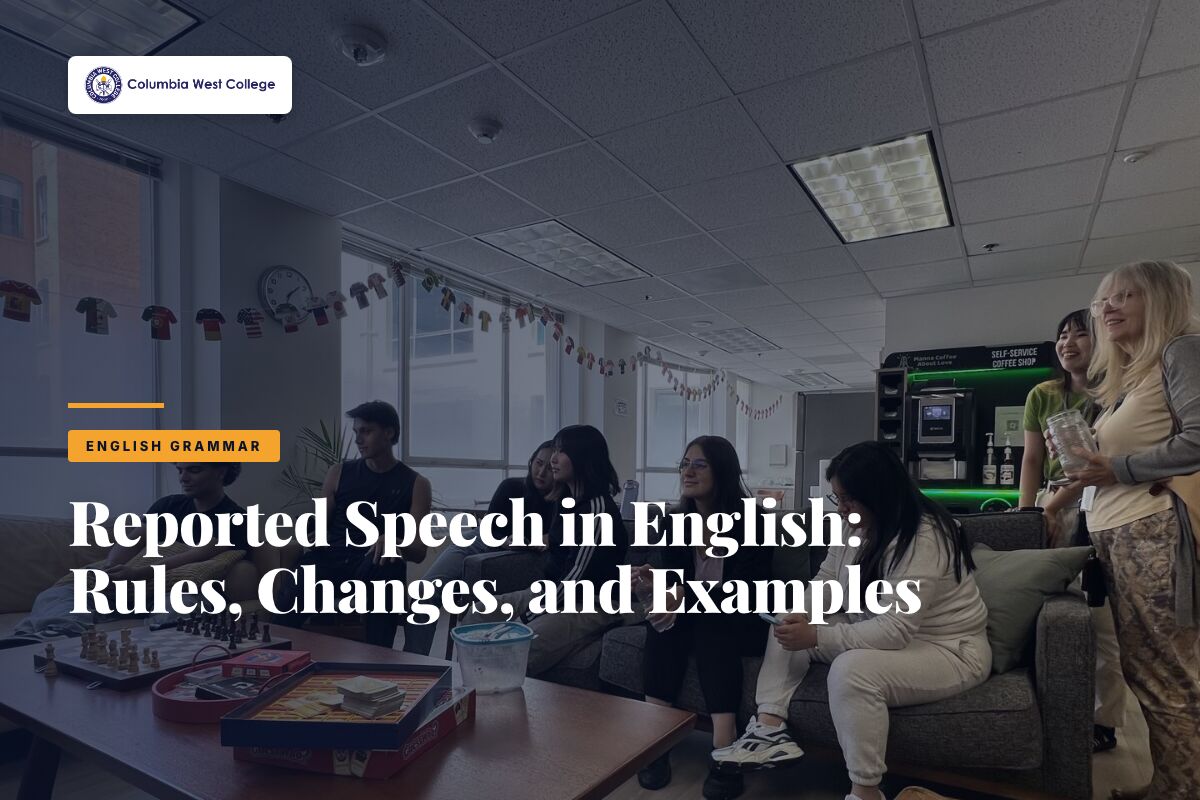
Reported speech ใช้ถ่ายทอดสิ่งที่ผู้อื่นพูดโดยไม่ต้องกล่าวซ้ำทุกคำ พบได้ในการสนทนา เรื่องเล่า การประชุม ข่าว และชั้นเรียน แยกพิจารณา 4 เรื่องคือ กริยารายงาน กาล มุมมอง และชนิดของประโยค จะช่วยให้เข้าใจง่ายขึ้น
คำพูดโดยตรงและ reported speech
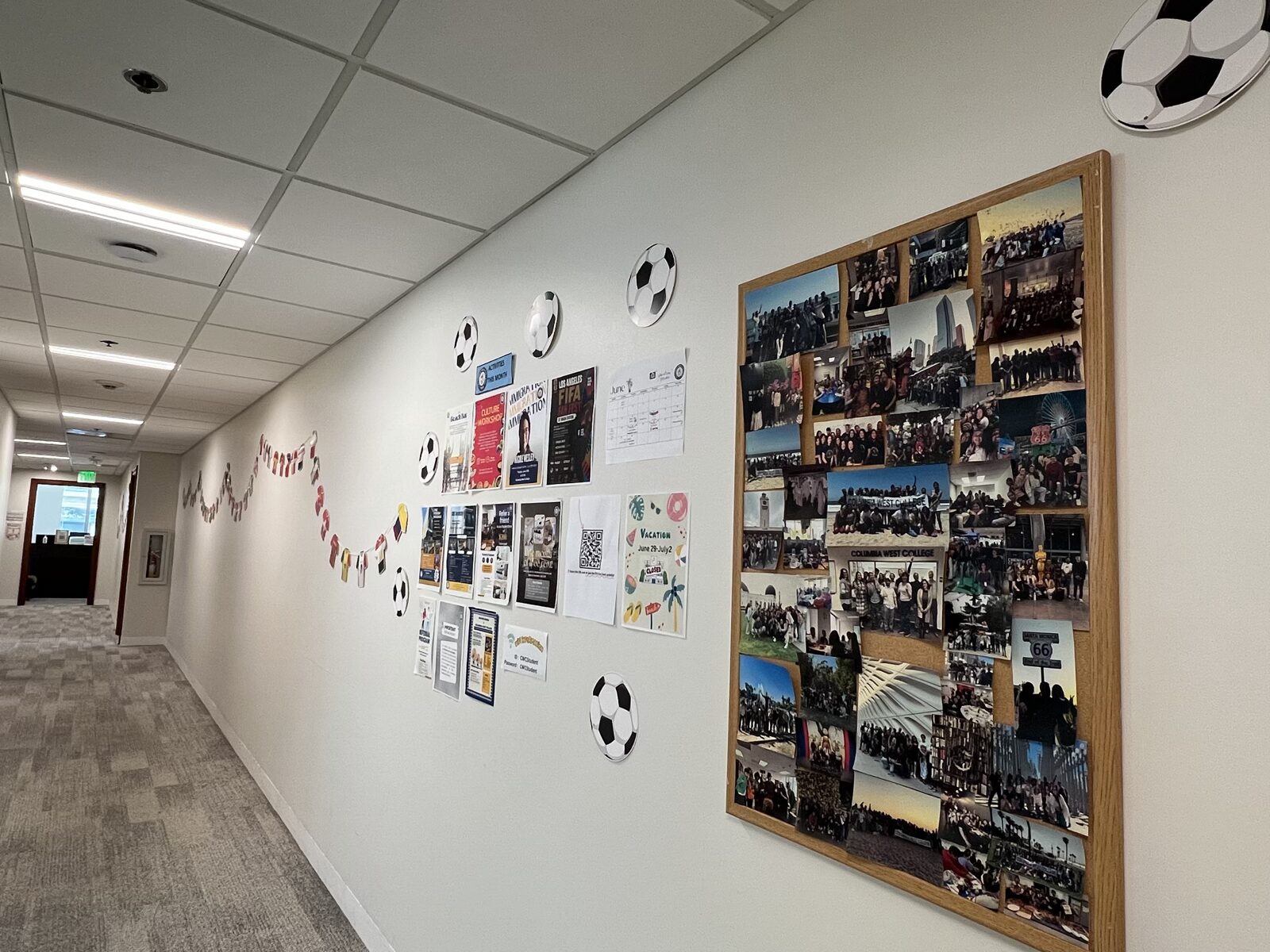
คำพูดโดยตรงคงถ้อยคำเดิมของผู้พูดไว้ในเครื่องหมายอัญประกาศ ส่วน reported speech ถ่ายทอดความหมายจากมุมมองใหม่ จึงอาจเปลี่ยนกาล คำสรรพนาม คำแสดงความเป็นเจ้าของ ตลอดจนคำบอกเวลาและสถานที่ การเปลี่ยนเหล่านี้สะท้อนผู้รายงาน เวลา และสถานที่ใหม่
รูปแบบพื้นฐานของ reported speech
โครงสร้างทั่วไปของประโยคบอกเล่าคือ ประธาน+กริยารายงาน+that ซึ่งละได้+อนุประโยค ในภาษาพูดมักละ that ได้ แต่การคงไว้ช่วยให้ประโยคยาวเข้าใจง่าย Say ไม่จำเป็นต้องมีกรรมที่เป็นบุคคล แต่ tell ต้องมี
การเปลี่ยนกาลใน reported speech
เมื่อกริยารายงานเป็นอดีต กริยาที่รายงานมักถอยกลับหนึ่งกาล เรียกว่า backshift โดย present simple มักเป็น past simple, present continuous เป็น past continuous, present perfect เป็น past perfect และ will/can/may มักเป็น would/could/might ส่วน past perfect มักคงเดิม การฝึกพูดภาษาอังกฤษ
กรณีที่ไม่ต้องเปลี่ยนกาล
ถ้ากริยารายงานเป็นปัจจุบันหรือข้อมูลยังเป็นจริง สามารถคงกาลเดิมได้ หากสถานการณ์ยังไม่เปลี่ยน ทั้งสองรูปอาจใช้ได้ รูปปัจจุบันเน้นว่ายังจริง ส่วนรูปอดีตเพียงรายงานข้อความก่อนหน้า ควรเลือกรูปที่ทำให้ลำดับเวลาชัดเจน
การเปลี่ยนคำสรรพนามและคำแสดงความเป็นเจ้าของ
Reported speech เปลี่ยนมุมมอง จึงต้องระบุผู้พูดเดิม ผู้ฟังเดิม และผู้รายงานใหม่ก่อน แล้วปรับคำสรรพนามและคำแสดงความเป็นเจ้าของให้ตรงกับมุมมองใหม่ ไม่ควรเปลี่ยนแบบอัตโนมัติ การฝึกสนทนาภาษาอังกฤษ
การเปลี่ยนคำบอกเวลาและสถานที่
Today, tomorrow, yesterday, now, here, this และคำอื่นอาจเปลี่ยนเมื่อรายงานต่างเวลาหรือสถานที่ หากเวลาและสถานที่ยังเหมือนเดิมก็ไม่จำเป็นต้องเปลี่ยน ให้ความหมายเป็นตัวกำหนด
วิธีรายงานคำถาม

คำถามแบบ reported speech ใช้ลำดับคำแบบประโยคบอกเล่าและไม่ใช้การสลับตำแหน่งกริยาช่วยเหมือนคำถามโดยตรง คง where, when, why, how ไว้ และใช้ if หรือ whether สำหรับคำถามใช่หรือไม่ ถ้าทั้งประโยคเป็นคำบอกเล่าไม่ต้องใส่เครื่องหมายคำถาม
วิธีรายงานคำสั่งและคำขอ
คำสั่งและคำขอมักใช้ told หรือ asked+กรรม+to+กริยารูปพื้นฐาน คำสั่งปฏิเสธใช้ not to เลือก asked สำหรับคำขอ และ told สำหรับคำแนะนำหรือคำสั่ง กริยารายงานจึงสื่อเจตนาและน้ำเสียงของผู้พูดด้วย
กริยารายงานและรูปแบบที่ใช้บ่อย
นอกจาก say, tell และ ask ยังใช้ explain, promise, warn, admit, suggest และ agree ได้ ควรจำกริยาคู่กับรูปแบบ เช่น that-clause, infinitive หรือ gerund ไม่ควรใช้โครงสร้างเดียวกับกริยาทุกคำ
การใช้ reported speech ที่ CWC
Reported speech ไม่ใช่เพียงไวยากรณ์ในการเขียน แต่เป็นทักษะสำหรับสรุปความคิดเห็น เล่าเรื่อง อธิบายคำสั่ง และรายงานการตัดสินใจของกลุ่ม ที่ Columbia West College (CWC) โปรแกรม English Speaking Success (ESS) มีชั้น Speaking วันละ 80 นาที ให้เวลาฝึกพูดมากกว่าชั้นฟังและพูดทั่วไป 6 เท่า ESS ยังเชื่อม Grammar, Speaking และ Reading & Writing และใช้การนำเสนอประจำสัปดาห์เพื่อฝึกจัดระเบียบและรายงานข้อมูลอย่างชัดเจน
{{lp-cta}}
ข้อผิดพลาดที่พบบ่อย
ข้อผิดพลาดที่พบบ่อยคือคงลำดับคำแบบคำถาม ใช้ tell โดยไม่มีกรรม เปลี่ยนทุกกาลหลังกริยารายงานปัจจุบัน ลืมเปลี่ยนมุมมอง และใช้ to หลัง suggest ควรเปรียบเทียบตัวอย่างที่ถูกและผิด และตรวจรูปแบบเหล่านี้ในการเขียน การฝึกทักษะการเขียน
แบบฝึกหัด
เปลี่ยนคำพูดโดยตรงแต่ละประโยคเป็น reported speech แล้วอธิบายการเปลี่ยนกาล บุคคล เวลา ลำดับคำถาม หรือรูปแบบคำสั่ง คำตอบอาจมีมากกว่าหนึ่งแบบ เพราะคำสรรพนามและเวลาขึ้นอยู่กับว่าใครรายงานและรายงานเมื่อใด
ตัวอย่างภาษาอังกฤษจากต้นฉบับ
- "Learn reported speech with clear tense, pronoun, question, command, and reporting verb rules, plus examples and practice exercises."
- "[[cwc-blog-thumb-reported-speech.jpg]]"
- "I am tired."
- "She said that she was tired."
- "I need help."
- "The test is tomorrow."
- "Where is the classroom?"
- "Maria said that she needed help."
- "The teacher said that the test was the next day."
- "Ken asked where the classroom was."
- "that"
- "He said that he was busy."
- "She told me that she liked the class."
- "They explained that the answer was incorrect."
- "That"
- "He said he was busy."
- "She told me she liked the class."
- "Say"
- "tell"
- "say"
- "She said that the lesson was useful."
- "She said to me that the lesson was useful."
- "She told me that the lesson was useful."
- "She told that the lesson was useful."
- "I work."
- "He said that he worked."
- "I am working."
- "He said that he was working."
- "I have finished."
- "She said that she had finished."
- "I visited MOCA."
- "She said that she had visited MOCA."
- "will"
- "would"
- "I will call."
- "He said that he would call."
- "can"
- "could"
- "I can help."
- "She said that she could help."
- "may"
- "might"
- "I may go."
- "He said that he might go."
- "I had already eaten."
- "She said that she had already eaten."
- "I enjoy the class."
- "She says that she enjoys the class."
- "Los Angeles is in California."
- "He said that Los Angeles is in California."
- "Mina said that she lives in Los Angeles."
- "Mina said that she lived in Los Angeles."
- "I like my class."
- "Maria said that she liked her class."
- "I will help you with your homework."
- "Alex told me that he would help me with my homework."
- "today"
- "that day"
- "tomorrow"
- "the next day"
- "the following day"
- "yesterday"
- "the day before"
- "the previous day"
- "now"
- "then"
- "this week"
- "that week"
- "last month"
- "the previous month"
- "next year"
- "the following year"
- "here"
- "there"
- "this"
- "these"
- "those"
- "I will meet you here tomorrow."
- "He said that he would meet me there the next day."
- "where,"
- "when,"
- "why,"
- "how,"
- "Where do you live?"
- "She asked where I lived."
- "She asked where did I live."
- "Why are you studying English?"
- "He asked why I was studying English."
- "if"
- "whether"
- "Do you understand?"
- "The teacher asked if I understood."
- "The teacher asked whether I understood."
- "She asked where the station was."
- "Did she ask where the station was?"
- "told"
- "asked"
- "to"
- "Open your book."
- "The teacher told us to open our books."
- "Please repeat the sentence."
- "She asked me to repeat the sentence."
- "not to"
- "Do not be late."
- "He told me not to be late."
- "Say,"
- "tell,"
- "ask"
- "explain + that-clause"
- "She explained that the schedule had changed."
- "promise + to-infinitive"
- "He promised to call."
- "warn + object + not to"
- "She warned us not to wait outside."
- "admit + gerund"
- "He admitted making the mistake."
- "suggest + gerund"
- "She suggested reviewing the lesson."
- "suggest + that-clause"
- "She suggested that we review the lesson."
- "agree + to-infinitive"
- "They agreed to meet after class."
- "She suggested me to study."
- "She suggested studying."
- "She suggested that I study."
- "He asked where was I going."
- "He asked where I was going."
- "She told that she was ready."
- "She said that she was ready."
- "She told me that she was ready."
- "He says that he needs help."
- "I finished my work."
- "Lina said that she had finished her work."
- "suggest."
- "He suggested to take a break."
- "He suggested taking a break."
- "I am reading a new book."
- "I visited The Last Bookstore yesterday."
- "Do you understand the rule?"
- "Why are you learning English?"
- "Please finish the exercise."
- "I will give my presentation tomorrow."
- "Ana said that she was reading a new book."
- "Leo said that he had visited The Last Bookstore the day before."
- "The teacher asked if I understood the rule."
- "Mina asked why I was learning English."
- "The teacher asked us to finish the exercise."
- "Carlos said that he would give his presentation the next day."
- "said"
- "Said"
- "Told"
- "She said that she was ready"
คำถามที่พบบ่อย
Reported speech คืออะไร
เป็นการถ่ายทอดสิ่งที่ผู้อื่นพูดโดยไม่กล่าวซ้ำคำเดิมทั้งหมด มักตัดเครื่องหมายอัญประกาศและอาจเปลี่ยนกาล คำสรรพนาม และเวลา
ต้องเปลี่ยนกาลเสมอหรือไม่
ไม่เสมอ มักเปลี่ยนหลังกริยารายงานอดีต แต่คงเดิมได้เมื่อกริยารายงานเป็นปัจจุบันหรือข้อมูลยังเป็นจริง
said กับ told ต่างกันอย่างไร
Said ไม่จำเป็นต้องมีกรรมที่เป็นบุคคล แต่ told ต้องมี
ฝึก reported speech อย่างไร
ฟังบทสนทนาสั้นแล้วสรุปข้อความ คำถาม และคำขอ เปรียบเทียบกับต้นฉบับและตรวจสอบกาล คำสรรพนาม และคำบอกเวลา
เปลี่ยนไวยากรณ์ให้เป็นการสื่อสารอย่างมั่นใจ CWC เปิดโอกาสให้ผู้เรียนรายงานความคิด สรุปบทสนทนา และนำเสนอข้อมูลเป็นภาษาอังกฤษ คู่มือกฎไวยากรณ์อังกฤษ CWC, Los Angeles.