Learning English grammar and vocabulary is important, but without consistent english speaking practice, true fluency remains out of reach. Speaking is the skill that connects everything you study — grammar, vocabulary, pronunciation, and listening — into real communication. Whether you are preparing for a job interview, planning to study abroad, or simply wanting to hold confident conversations, developing a strong speaking habit is the single most impactful step you can take.
This guide covers proven techniques, daily routines, level-specific strategies, and technology tools to help you build a speaking practice that delivers real results.
Why English Speaking Practice Matters
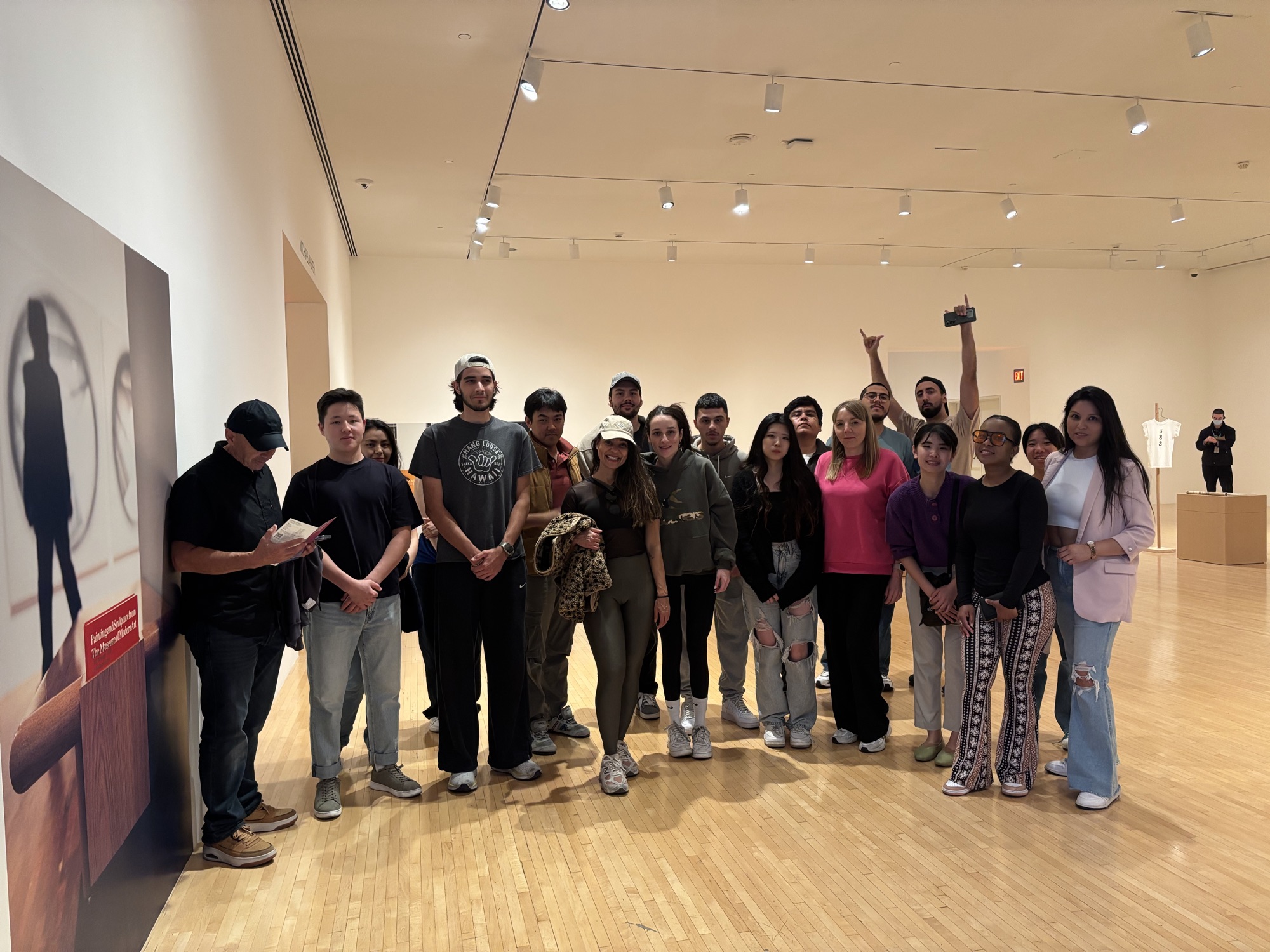
Many English learners spend years studying textbooks and passing written exams, yet freeze when they need to speak in a real conversation. The gap between passive knowledge and active use is enormous, and only regular english speaking practice can close it.
Speaking activates a different part of your brain than reading or listening. When you speak, you must retrieve vocabulary in real time, form grammatically correct sentences on the fly, and manage pronunciation simultaneously. This cognitive demand is exactly what builds fluency. Research in second language acquisition consistently shows that output practice — actually producing the language — is essential for moving from intermediate to advanced proficiency.
Beyond cognitive benefits, speaking practice builds confidence. The more you speak, the less anxiety you feel. You learn to tolerate mistakes, self-correct naturally, and develop the conversational rhythm that marks a proficient speaker. Students at Columbia West College (CWC), for example, participate in 80 minutes of dedicated speaking class every day, giving them 6 times more speaking practice than typical ESL programs. This intensive output is a major reason why 70 percent of CWC students choose to extend their studies.
Speaking also improves your listening comprehension. Conversations require you to process what others say and respond appropriately, training both skills at once. If you want to understand movies, podcasts, or workplace meetings, practicing speaking is paradoxically one of the best ways to sharpen your ears.
For a deeper foundation in the rules that support your speaking, see English Grammar Rules: The Complete Guide.
Essential Speaking Practice Techniques
Not all speaking practice is created equal. The following techniques are backed by language learning research and used by successful learners worldwide.
Shadowing is one of the most effective solo techniques. Choose an audio clip — a podcast, a TED Talk, or a movie scene — and repeat what the speaker says in real time, mimicking their rhythm, intonation, and pronunciation. Start with short clips of 30 to 60 seconds and gradually increase length. Shadowing trains your mouth muscles, improves your accent, and helps you internalize natural sentence patterns.
Conversation exchange pairs you with another learner or a native speaker for structured speaking time. You can find language exchange partners through apps, community groups, or your school. The key is regularity — meeting once a week for 30 minutes is more effective than a single two-hour session once a month.
Role-playing simulates real-life scenarios such as ordering food, making a phone call, negotiating a price, or attending a job interview. By practicing specific situations, you build a library of phrases and responses you can deploy automatically when the real moment arrives.
Think-aloud practice involves narrating your thoughts in English throughout the day. Describe what you see on your commute, explain a recipe while cooking, or summarize a news article out loud. This low-pressure technique increases your total speaking time without needing a partner.
Recording and reviewing yourself is uncomfortable but powerful. Record a two-minute monologue on any topic, listen back, and note areas for improvement. Over weeks, you will hear clear progress in fluency, pronunciation, and vocabulary range.
At CWC, the ESS program's integrated curriculum links Grammar, Speaking, and Reading & Writing classes so that concepts introduced in the morning grammar class are immediately applied in the daily 80-minute speaking session. This same-day reinforcement accelerates improvement because learners practice new structures in context rather than in isolation.
Daily English Speaking Practice Routines
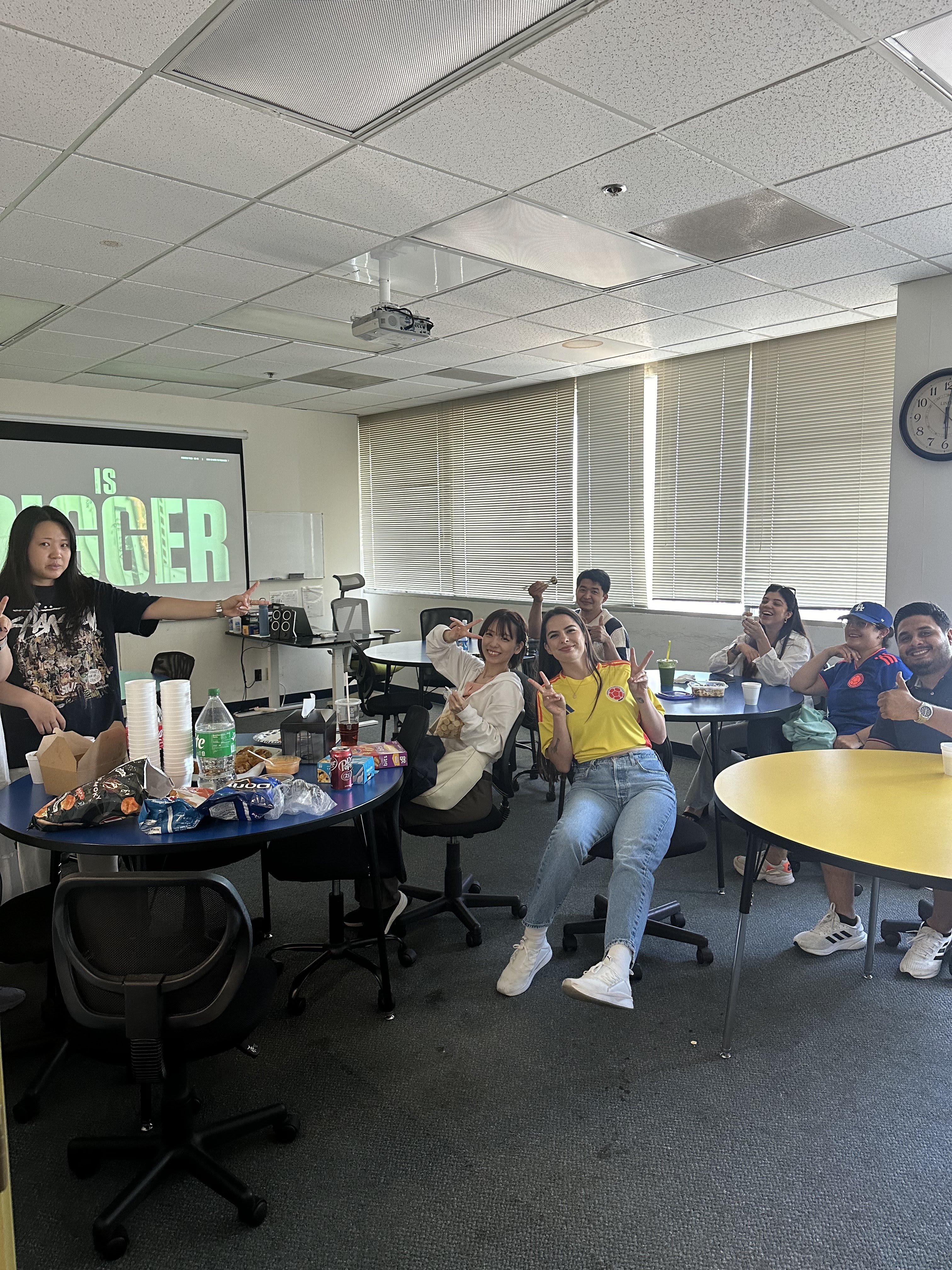
Consistency beats intensity. A daily english speaking practice routine of even 30 minutes produces better long-term results than occasional marathon sessions. Here is a sample daily plan you can adapt to your schedule.
Morning (10 minutes): Shadowing warm-up. Choose a one-minute audio clip and shadow it three times. Focus on matching the speaker's speed and intonation. This wakes up your English brain and primes you for the day.
Midday (10 minutes): Think-aloud narration. During lunch or a break, describe your morning in English. What did you do? What will you do this afternoon? Try to use at least three new vocabulary words from your recent studies.
Evening (15 minutes): Structured conversation or recording. If you have a conversation partner, spend 15 minutes discussing a topic. If practicing solo, record a monologue responding to a prompt such as "Describe a challenge you overcame" or "Explain your favorite hobby to someone who knows nothing about it."
Weekend bonus: Extended practice. On weekends, add a 30-minute session that focuses on a specific skill — pronunciation drills, presentation practice, or watching a short video and summarizing it aloud.
The key is to protect your speaking time the way you would protect a meeting or appointment. Put it on your calendar. Treat it as non-negotiable. Learners who integrate speaking into their daily routine see measurable improvement within four to six weeks.
Students enrolled in intensive programs like those at Columbia West College benefit from a built-in daily routine: their schedule includes dedicated speaking classes, group discussions, and interaction with classmates from over 20 countries, ensuring hours of practice every single day.
Ready to build real fluency? Practice speaking daily at CWC's intensive ESL programs. Learn more about the ESS program.
Speaking Practice for Different Levels
Your practice strategy should match your current level. What works for a beginner will bore an advanced learner, and what challenges an advanced speaker may overwhelm a beginner.
Beginner level. Focus on survival phrases and basic sentence patterns. Practice introducing yourself, asking for directions, ordering food, and describing your daily routine. Use picture prompts to generate simple sentences. Repetition is your friend at this stage — saying the same phrases dozens of times builds the automatic recall you need. Learn essential expressions with our guide to English Idioms: Complete Guide with 200+ Examples.
Intermediate level. Shift toward expressing opinions, telling stories, and handling multi-turn conversations. Practice agreeing and disagreeing politely, explaining causes and effects, and describing experiences in detail. Start incorporating more complex grammar naturally — conditionals, reported speech, passive voice. At this stage, conversation partners become especially valuable because you need to practice the unpredictable back-and-forth of real dialogue.
Upper-intermediate level. Focus on nuance, precision, and register. Practice giving presentations, debating topics, and explaining complex ideas clearly. Work on reducing your accent if desired, and expand your vocabulary in specific domains such as business, academics, or technology. Record yourself and compare your speech to native speakers, noting differences in word choice, filler words, and sentence structure.
Advanced level. At this stage, practice should mimic the contexts where you actually need English. If you need English for work, practice business scenarios. If you are preparing for academic study, practice lectures and seminar discussions. Focus on idiomatic language, humor, cultural references, and the subtle signals that mark a truly proficient speaker.
Regardless of level, the principle is the same: practice at the edge of your ability. If everything feels easy, increase the challenge. If everything feels impossible, step back and consolidate.
Technology and Apps for Speaking Practice
Technology has made english speaking practice more accessible than ever. Here are the most useful categories of tools and how to use them effectively.
AI conversation apps such as ChatGPT voice mode, Speak, and ELSA allow you to have spoken conversations with artificial intelligence. These tools are available 24/7, never judge you, and can adjust their level to match yours. They are excellent for building confidence and increasing total speaking time, especially for learners who feel anxious speaking with real people.
Language exchange platforms like Tandem, HelloTalk, and ConversationExchange connect you with native speakers around the world for free conversation practice. The best approach is to schedule regular sessions with the same partner, creating accountability and a relationship that supports honest feedback.
Pronunciation tools such as ELSA Speak and Google's pronunciation feature provide instant feedback on individual sounds, stress patterns, and intonation. These are especially useful for learners whose first language has sounds that do not exist in English.
Video recording apps — even your phone's built-in camera — let you record and review your speaking. Some learners find it helpful to keep a video journal, recording a short daily entry and reviewing it weekly to track progress.
Podcast and video platforms provide the raw material for shadowing practice. Choose content slightly above your level for maximum benefit. Slow-speed podcasts designed for English learners are great for beginners; TED Talks and news broadcasts work well for intermediate and advanced learners.
While technology is a powerful supplement, it cannot fully replace human interaction. The unpredictability, emotional engagement, and social pressure of real conversation train skills that no app can replicate. The ideal approach combines technology for solo practice with regular human conversation — exactly the model used by schools like CWC, where classroom instruction is complemented by real-world practice opportunities in Los Angeles.
Overcoming Common Speaking Challenges

Every English learner faces obstacles in speaking. Understanding these challenges and having strategies to address them makes the difference between giving up and breaking through.
Fear of making mistakes is the number one barrier. The truth is that mistakes are not just inevitable — they are necessary. Every error you make and correct strengthens your language system. Reframe mistakes as data, not failure. In CWC's ESS program, the 3P methodology — Practice, Professional, Plan — builds a structured environment where students practice repeatedly, receive expert guidance, and track their own progress. This framework turns mistakes into stepping stones rather than sources of embarrassment.
Lack of vocabulary makes you feel stuck mid-sentence. The solution is not to memorize more word lists but to practice circumlocution — describing what you mean using simpler words when the exact term escapes you. Native speakers do this constantly. Saying "the thing you use to open a bottle" when you forget the word "corkscrew" keeps the conversation flowing and actually helps you remember the word next time. For strategies to expand your word power, consult English Grammar Rules: The Complete Guide.
Pronunciation anxiety holds many learners back, but perfect pronunciation is not required for clear communication. Focus on the sounds that cause actual misunderstanding in your target accent, and let go of minor differences. Intelligibility, not perfection, is the goal.
Limited speaking opportunities is a real challenge for learners studying in their home country. Combat this by maximizing every available channel: talk to yourself, join online conversation groups, attend local English-speaking meetups, watch movies and repeat dialogue, or enroll in an immersive program where English surrounds you all day.
Plateau frustration hits when you feel stuck at a certain level despite consistent practice. This is normal and usually means you need to change your approach — try a new technique, increase difficulty, focus on a weakness you have been avoiding, or seek feedback from a teacher who can identify blind spots.
The learners who succeed are not the ones with the most talent but the ones who practice consistently, tolerate discomfort, and keep showing up.
FAQ
How many hours of speaking practice do I need daily? Most language acquisition research suggests that 30 to 60 minutes of focused speaking practice per day produces significant improvement over time. The key is consistency rather than volume. A daily 30-minute session is far more effective than a single three-hour session once a week. Intensive programs like those at CWC build multiple hours of speaking into each school day, which is one reason students progress faster in immersive settings than in traditional part-time classes.
Can I improve speaking without a conversation partner? Yes, you can make meaningful progress on your own using techniques like shadowing, think-aloud narration, and self-recording. These methods build fluency, pronunciation, and confidence without requiring another person. However, solo practice has limits — you miss the unpredictability and real-time comprehension demands of actual conversation. For best results, combine solo techniques with regular partner or group practice, even if only once or twice a week.
What is the fastest way to improve English speaking? The fastest path to speaking improvement is full immersion combined with structured instruction. When you live in an English-speaking environment, attend daily classes focused on speaking output, and interact with diverse classmates, you create the conditions for rapid growth. Programs that prioritize speaking — such as CWC's ESS program with its dedicated 80-minute daily speaking class — compress months of progress into weeks by maximizing your active speaking time every single day.
Take the next step toward fluency. Join CWC's conversation-focused ESS program and build real fluency in Los Angeles. Explore the ESS program at CWC.