Figuring out how to learn English can feel overwhelming, especially if you are just getting started. With so many apps, courses, textbooks, and online resources available, it is hard to know where to begin or what approach actually works. The truth is that learning English is not about finding one magic method. It is about following a clear, structured path and staying consistent. This step-by-step beginner guide breaks the process down into manageable stages so you can make real progress, whether you are studying on your own or preparing to study in an English-speaking country.
Step 1 — Set Clear English Learning Goals

Before you study a single word, you need to define why you are learning English and what success looks like for you. This is the step that most beginners skip, and it is the step that makes the biggest difference in long-term progress.
Ask yourself these questions: Do you need English for work or career advancement? Are you preparing to study at an American university? Do you want to travel comfortably in English-speaking countries? Or do you simply want to enjoy English-language movies and music without subtitles? Each goal requires a different focus.
If your goal is workplace communication, you should prioritize business vocabulary, email writing, and professional speaking skills. If you are preparing for academic study, focus on reading comprehension, essay writing, and academic vocabulary. If you want conversational fluency for social situations, prioritize listening comprehension and speaking practice.
Once you identify your main goal, set specific milestones. Instead of saying "I want to learn English," say "I want to hold a five-minute conversation with a native speaker within three months" or "I want to understand 80 percent of a news broadcast within six months." Specific goals give you something to measure your progress against and keep you motivated when learning feels slow.
Write your goals down and review them regularly. Research on goal-setting shows that people who write down their goals are significantly more likely to achieve them. Your goals will also help you choose the right resources, courses, and study methods for your situation.
Step 2 — Build a Strong Foundation
Every language learner needs a solid foundation in the basics: the alphabet, pronunciation, core vocabulary, and fundamental grammar. Skipping this step in favor of "advanced" material is one of the most common mistakes beginners make.
Start with pronunciation and the alphabet. English has 26 letters but approximately 44 distinct sounds (phonemes). Many of these sounds do not exist in other languages, which is why pronunciation is a challenge for most ESL learners. Spend time learning the International Phonetic Alphabet (IPA) for English sounds, and practice listening to and reproducing individual sounds before worrying about full sentences.
Build your core vocabulary. Focus on the most frequently used English words first. The top 500 to 1,000 words cover the vast majority of everyday conversation. Learn words in context rather than from isolated lists. For example, instead of memorizing the word "make," learn phrases like "make a decision," "make a plan," and "make friends." This approach teaches you both the word and how it is used naturally.
Learn fundamental grammar patterns. You do not need to master every grammar rule before you start speaking, but you do need to understand basic sentence structure: subject-verb-object order, how to form questions, how to use common tenses (present simple, past simple, future with "will" and "going to"), and how articles (a, an, the) work. A solid grammar foundation makes everything else easier.
Use a structured textbook or course. While apps and YouTube videos can be helpful supplements, a well-designed textbook or course provides the systematic progression that beginners need. Look for materials designed specifically for your current level and follow them in order. Random studying leads to random results.
Step 3 — Practice Speaking from Day One
This is the most important step in learning how to learn English, and it is the step that most learners delay for far too long. Many students spend months or even years studying grammar and vocabulary without ever speaking. Then, when they finally try to have a conversation, they freeze.
The solution is simple: start speaking from day one. You do not need to be perfect. You do not even need to be good. You just need to start forming sentences out loud and getting comfortable with the physical act of producing English sounds.
Talk to yourself. This may sound strange, but narrating your daily activities in English is an incredibly effective practice technique. Describe what you are doing while you cook, commute, or clean. This builds fluency without the pressure of a conversation partner.
Find a speaking partner. Language exchange apps like Tandem or HelloTalk connect you with native English speakers who want to learn your language. You practice English together, and they practice your language. This is free, convenient, and gives you real conversational experience.
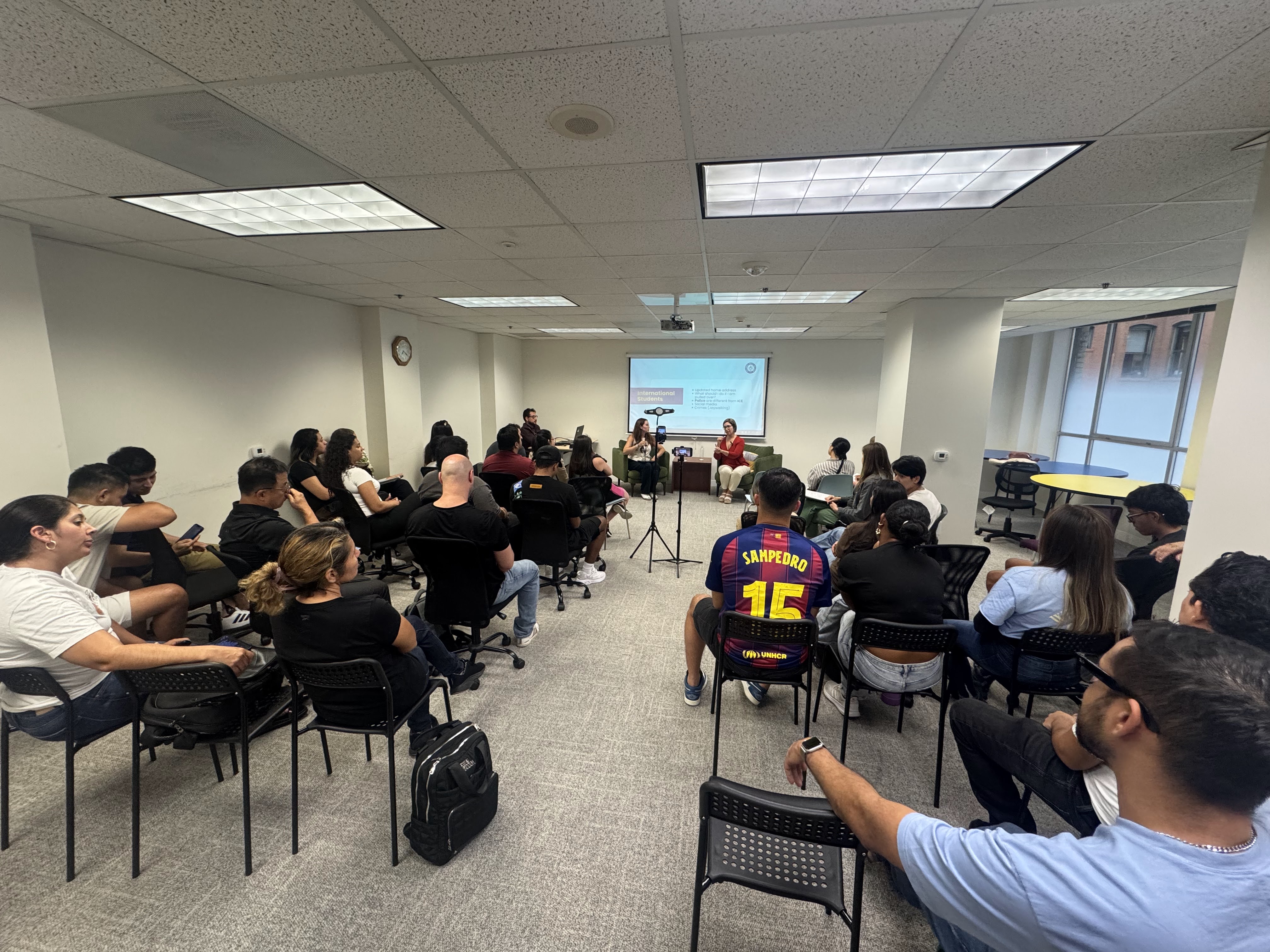
Join a speaking-focused program. The fastest way to develop speaking skills is through a structured program that prioritizes conversation. Columbia West College (CWC) in Los Angeles is built around this principle. CWC's ESS program includes an 80-minute daily Speaking class, giving students 6 times more speaking practice than typical ESL programs. Proprietary tools like "Connection Questions" prompt spontaneous use of target English, while weekly presentations and end-of-level speaking projects ensure students get the structured feedback and practice time they need to progress quickly.
Do not be afraid of mistakes. Every fluent English speaker you admire made thousands of mistakes on their way to fluency. Mistakes are not failures; they are learning opportunities. The more you speak, the more mistakes you make, and the faster you improve.
Explore CWC's step-by-step ESL programs designed for real progress. With daily speaking practice, expert instructors, and students from over 20 countries, Columbia West College gives you the immersive environment that accelerates English learning. See CWC's programs.
Step 4 — Immerse Yourself in English

Immersion is the accelerator that takes your English from textbook knowledge to real-world fluency. The more English you surround yourself with, the faster your brain adapts to the language's rhythms, patterns, and vocabulary.
Change your environment. Switch your phone, computer, and social media to English. This small change exposes you to hundreds of English words and phrases every day without any extra study time. Subscribe to English-language news sources, follow English-speaking creators on social media, and set English as the default language for your apps and devices.
Listen actively every day. Podcasts, audiobooks, and YouTube channels designed for English learners are excellent resources. Start with content aimed at your level, then gradually increase the difficulty. Listen actively by paying attention to new words, pronunciation patterns, and sentence structures. Passive listening (having English on in the background) is better than nothing, but active listening produces much faster results.
Read regularly. Reading exposes you to vocabulary and grammar structures that you may not encounter in conversation. Start with graded readers (books written for ESL learners at specific levels) and work your way up to authentic materials like news articles, blog posts, and eventually novels. Reading and listening together, such as following along with an audiobook, is especially powerful.
Watch English-language media. Movies and TV shows are excellent for learning natural spoken English, including slang, idioms, and cultural references. Start with English subtitles on, then gradually transition to watching without them. Repeat short scenes to practice pronunciation and intonation.
Live in an English-speaking environment. Nothing accelerates language learning like living in a place where English is the primary language. Cities like Los Angeles offer incredible immersion opportunities. With 280 or more sunny days per year, a diverse international community, and endless cultural activities, LA is one of the best cities in the world to learn English. CWC's location on the Wilshire corridor puts students right in the heart of one of the most dynamic English-speaking environments on earth.
Build an English-speaking social circle. Make friends who speak English, join clubs or meetup groups, and volunteer in your community. The more you use English in authentic social situations, the more natural it becomes.
FAQ
What is the best age to start learning English? There is no single best age to start learning English. Children have advantages in pronunciation and acquiring native-like accents, which is why early exposure is beneficial. However, adults have significant advantages too: stronger study skills, greater motivation, larger existing vocabulary in their first language, and the ability to understand complex grammar explanations. Research shows that motivated adults can achieve high levels of fluency at any age. The best time to start is always now, regardless of how old you are.
Can I learn English on my own? You can make significant progress learning English on your own using textbooks, apps, podcasts, and online resources. Self-study is excellent for building grammar knowledge, expanding vocabulary, and improving reading and listening comprehension. However, developing speaking fluency is extremely difficult without regular conversation practice with other people. Most successful self-learners eventually supplement their solo study with speaking partners, language exchange programs, or formal instruction to fill this gap.
How to learn English if I don't live in an English-speaking country? Technology has made it possible to create an English immersion environment anywhere in the world. Change all your devices to English, consume English-language media daily, use language exchange apps to practice speaking with native speakers, join online English learning communities, and take online ESL classes. While living in an English-speaking country offers advantages, dedicated learners can achieve remarkable results from anywhere. If you have the opportunity to study abroad, even for a short period, the immersion experience can dramatically accelerate your progress.
Start learning English the right way at CWC in Los Angeles. Columbia West College has helped international students from over 20 countries achieve English fluency for more than 30 years. With ACCET accreditation, SEVP certification, free visa consultations, and a speaking-focused curriculum, CWC provides everything you need to succeed. Begin your English journey today.