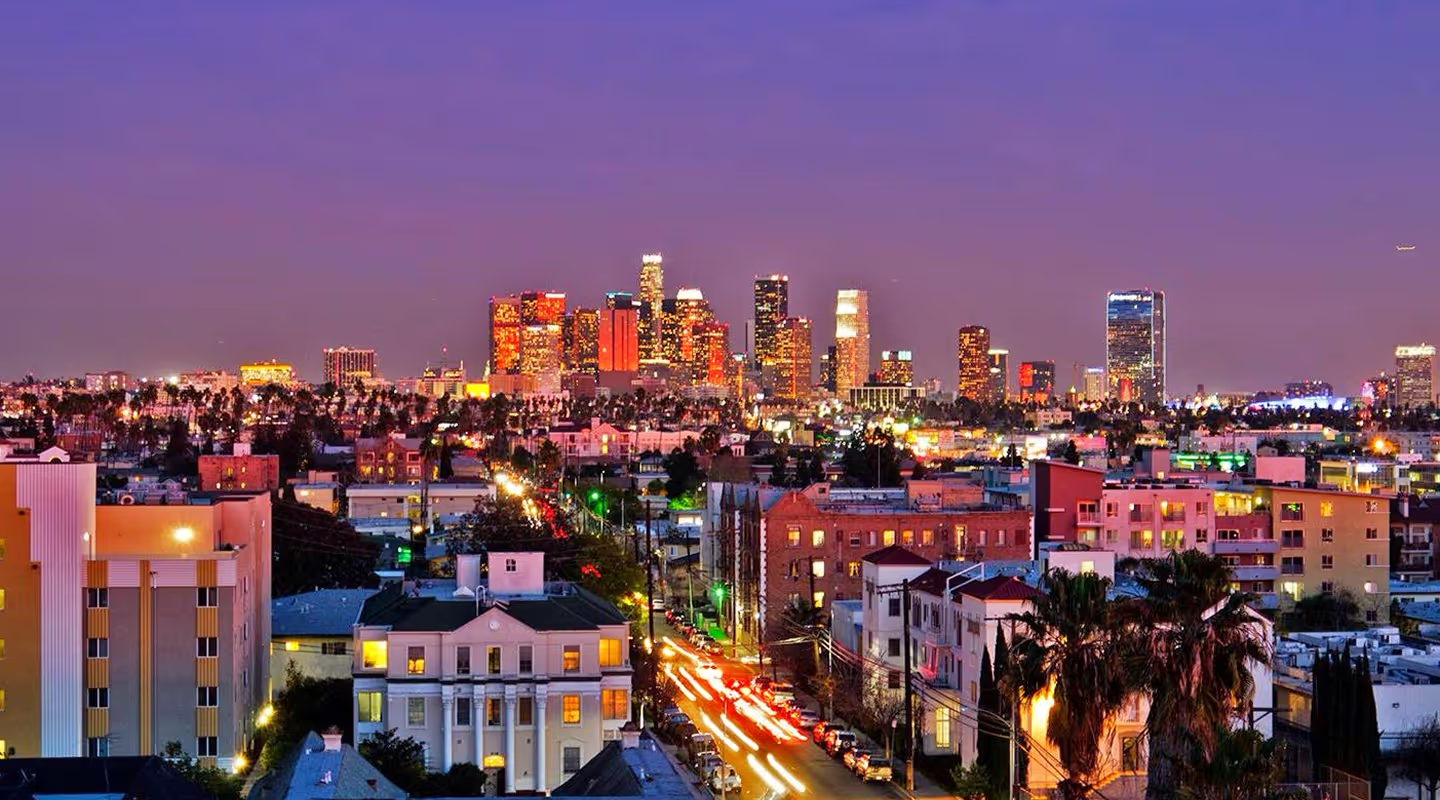
Deciding where to live in Los Angeles is one of the most exciting and challenging parts of moving to the city. LA is massive, stretching across nearly 500 square miles, and each neighborhood has its own personality, price range, and lifestyle. For international students and newcomers, choosing the right area can make the difference between a stressful experience and an incredible one. This guide covers the best neighborhoods for students, affordable areas, lifestyle-based recommendations, and practical housing tips to help you find your ideal home in LA.
Los Angeles offers something for everyone, from beachside living to vibrant urban neighborhoods, quiet residential streets to bustling cultural hubs. With over 280 sunny days a year and one of the most diverse populations in the world, LA is an extraordinary place to live and study. The key is finding the neighborhood that matches your budget, lifestyle, and daily needs.
Best Neighborhoods in Los Angeles for Students

Students have unique needs when choosing a neighborhood: proximity to school, access to public transportation, affordable dining options, and a safe, lively environment. Several LA neighborhoods consistently rank as top choices for students.
Koreatown is one of the most popular neighborhoods for international students, and for good reason. Located in the heart of the city along the Wilshire corridor, Koreatown offers some of the most affordable rent in central LA, excellent public transit connections via Metro lines, and an incredible density of restaurants, cafes, and shops. The neighborhood is vibrantly multicultural, with a mix of Korean, Latin American, and other communities. For students attending Columbia West College, Koreatown is an especially convenient choice, with easy access to the school and all the amenities of urban LA living.
Westwood is the neighborhood surrounding UCLA and offers a classic college-town atmosphere. Tree-lined streets, bookstores, cafes, and an abundance of students create an energetic and studious environment. Rent is higher than Koreatown but lower than nearby Brentwood or Beverly Hills. Westwood is well-connected to the rest of the city by major bus routes and the expanding Metro system.
Mid-Wilshire encompasses several smaller neighborhoods including Miracle Mile, Park La Brea, and the area around the Los Angeles County Museum of Art (LACMA). This central location offers excellent transit access, walkable streets, and a mix of cultural attractions. Rent ranges from moderate to high depending on the specific block and building, but shared housing options can bring costs down significantly.
Downtown LA (DTLA) has undergone a dramatic transformation in recent years and is now a vibrant hub of restaurants, arts venues, shopping, and nightlife. It is the most transit-connected area in the city, with access to multiple Metro lines and bus routes. While some newer apartments are expensive, older buildings and shared housing options offer more affordable alternatives. DTLA is ideal for students who want to be at the center of the action.
Silver Lake and Echo Park are trendy, artistic neighborhoods just north of downtown. They offer a bohemian atmosphere with independent coffee shops, vintage stores, live music venues, and beautiful parks. Rent has increased as these areas have become more popular, but they remain more affordable than the Westside. These neighborhoods are great for students who value culture and creativity.
For more about what makes LA an ideal student city, see Living in Los Angeles: Guide for International Students.
Affordable Areas to Live in Los Angeles

Budget is a primary concern for most students, and finding affordable housing in LA requires knowing where to look and what to expect.
Koreatown remains one of the best values in central LA, with studios starting around $1,000 to $1,300 per month and one-bedroom apartments in the $1,300 to $1,700 range. Shared housing can bring your portion down to $700 to $1,000 per month. The neighborhood's central location and excellent transit reduce the need for a car, saving additional money.
East Hollywood and Thai Town offer similar affordability to Koreatown with their own distinctive character. These neighborhoods are culturally diverse, well-served by public transit, and feature a wide range of affordable dining options. Studios and shared rooms can be found starting around $900 to $1,200 per month.
North Hollywood (NoHo) in the San Fernando Valley has become increasingly popular with students and young professionals. The NoHo Arts District offers galleries, theaters, and restaurants, while rent remains lower than most areas south of the Hollywood Hills. The Red Line Metro provides a direct connection to downtown LA and other central neighborhoods. Expect to pay $1,100 to $1,500 for a studio or one-bedroom.
Palms and Mar Vista on the Westside offer a balance between affordability and access to the beach communities. While not as cheap as Koreatown or East Hollywood, these neighborhoods provide a quieter, more residential feel with reasonable rents compared to neighboring Culver City or Santa Monica.
Cost comparison by area (approximate monthly rent for a studio apartment in 2026):
- Koreatown: $1,000 - $1,300
- East Hollywood: $900 - $1,200
- North Hollywood: $1,100 - $1,500
- Palms / Mar Vista: $1,300 - $1,700
- Mid-Wilshire: $1,400 - $1,800
- Downtown LA: $1,500 - $2,200
- Westwood: $1,600 - $2,200
- Santa Monica: $1,800 - $2,800
For detailed budget planning, see Cost of Living in Los Angeles: Budget Guide.
Where to Live in LA Based on Your Lifestyle
Your ideal neighborhood depends on how you like to spend your time outside of school and work. LA's diversity means there truly is a neighborhood for every lifestyle.
If you love the beach, consider Venice, Santa Monica, or Playa del Rey. These Westside neighborhoods put you within walking or biking distance of the Pacific Ocean. Morning surf sessions, sunset beach walks, and outdoor fitness culture define the lifestyle here. The tradeoff is higher rent and longer commutes to schools and workplaces in central LA. Expect to pay a premium of 30 to 50 percent compared to central neighborhoods.
If you love nightlife and entertainment, Hollywood, West Hollywood (WeHo), and Downtown LA offer the most options. These areas have the highest concentration of bars, clubs, live music venues, and late-night dining. West Hollywood is also the center of LA's LGBTQ+ community and hosts vibrant cultural events throughout the year.
Experience Los Angeles while learning English at CWC. Columbia West College sits on the Wilshire corridor, steps from the Metro Red/Purple Line, putting the whole city within easy reach. CWC's student apartments — some with views of the Hollywood Sign — start at $1,000 per month per person, with all utilities, Wi-Fi, and private bathrooms included. Learn more about life at CWC.
If you prefer a quiet, residential atmosphere, neighborhoods like Pasadena, Glendale, and Burbank offer tree-lined streets, lower crime rates, and a small-town feel within the greater LA area. These communities have their own downtowns with shops and restaurants, and they are connected to central LA by Metro and freeway. Rent tends to be moderate, and the quality of life is high.
If you love arts and culture, the Arts District in DTLA, Silver Lake, and Los Feliz are your best bets. These neighborhoods are home to galleries, independent cinemas, live performance spaces, and a thriving creative community. The proximity to cultural institutions like LACMA, the Broad, and the Walt Disney Concert Hall is a bonus for culture enthusiasts.
If food is your passion, nearly every LA neighborhood offers incredible dining, but some stand out. The San Gabriel Valley (Alhambra, Monterey Park, Arcadia) is famous for some of the best Chinese, Vietnamese, and other Asian cuisines in the country. Koreatown is a food lover's paradise with hundreds of Korean BBQ joints, noodle shops, and bakeries. Boyle Heights and East LA offer authentic Mexican food that rivals anything south of the border.
Housing Tips for International Students in LA
Navigating the LA rental market as an international student comes with unique challenges. These practical tips will help you find housing smoothly and avoid common pitfalls.
Start your search early. The LA rental market moves fast, especially for affordable units in popular areas. Begin searching at least four to six weeks before your planned move-in date. Set up alerts on sites like Apartments.com, Zillow, Craigslist, and Facebook Marketplace to be notified of new listings immediately.
Prepare your documentation. Most landlords require proof of income or financial support, a valid ID or passport, and sometimes a credit check. International students without a U.S. credit history may need to provide additional documentation such as bank statements, a guarantor letter, or prepayment of several months' rent. Having these documents ready speeds up the application process.
Consider shared housing. Sharing an apartment or house with roommates is the most common way international students manage housing costs in LA. Shared housing reduces your rent significantly and provides built-in social connections. Look for roommate listings on university bulletin boards, Facebook groups for international students in LA, and apps like SpareRoom or Roomi.
Verify listings carefully. Unfortunately, rental scams exist, particularly on Craigslist and social media. Never send money or provide personal information without seeing the property in person or via a verified video tour. Be wary of listings with prices significantly below market rate or landlords who pressure you to act immediately without a proper viewing.
Understand your lease. Before signing, read the entire lease carefully. Understand the terms regarding rent increases, security deposits, maintenance responsibilities, guest policies, and early termination. If English is not your first language, ask a trusted friend or school advisor to review the lease with you. CWC's student support team can help guide international students through the housing search process.
Transportation matters. Factor in your daily commute when choosing a neighborhood. LA traffic is notorious, and a neighborhood that seems close on a map can require a 45-minute drive during rush hour. Living near a Metro station or major bus route can save you significant time and money. Neighborhoods along the Wilshire corridor benefit from excellent transit connections that are continuing to improve with the expansion of the Metro system.
For more about planning your move to LA, see Learn English in Los Angeles: Complete Guide.
FAQ
What is the safest neighborhood in Los Angeles?
Safety varies by block and changes over time, so it is important to research current conditions rather than relying on broad generalizations. Generally, neighborhoods like Pasadena, Glendale, Burbank, and Westwood are considered among the safest in the LA area, with lower crime rates than the city average. Within more urban neighborhoods, safety can vary significantly from one street to the next. Use tools like the LAPD crime mapping website to check specific areas. Regardless of where you live, standard urban safety practices apply: be aware of your surroundings, avoid walking alone late at night in unfamiliar areas, and secure your belongings.
How much does rent cost in Los Angeles?
Rent in Los Angeles varies enormously depending on the neighborhood, apartment size, and building quality. As of 2026, a studio apartment ranges from approximately $900 per month in more affordable areas like East Hollywood to over $2,500 in premium locations like Santa Monica or Beverly Hills. One-bedroom apartments typically range from $1,200 to $3,000. For international students on a budget, shared housing in neighborhoods like Koreatown, East Hollywood, or North Hollywood typically costs $700 to $1,200 per person per month. Always budget for first and last month's rent plus a security deposit when planning your move.
Where should international students live in LA?
The best neighborhoods for international students in Los Angeles balance affordability, safety, convenience, and access to public transportation. Koreatown and Mid-Wilshire are top choices for students attending schools along the Wilshire corridor, offering affordable rent, diverse dining, and excellent Metro access. Westwood is ideal for students at or near UCLA. Downtown LA suits students who want an urban lifestyle with maximum transit connectivity. North Hollywood offers good value with Red Line access. Ultimately, choose a neighborhood that is within a reasonable commute of your school, fits your budget, and matches your lifestyle preferences. Many schools, including Columbia West College, can recommend housing options and neighborhoods based on your specific needs.
Experience the best of Los Angeles while learning English. Columbia West College is located in the heart of LA's Wilshire corridor, surrounded by diverse neighborhoods, cultural attractions, and everything you need for an incredible student experience. With housing guidance, weekly field trips to landmarks like LACMA and Olvera Street, and a welcoming community from over 20 countries, CWC makes LA feel like home. Start your LA adventure at CWC.